


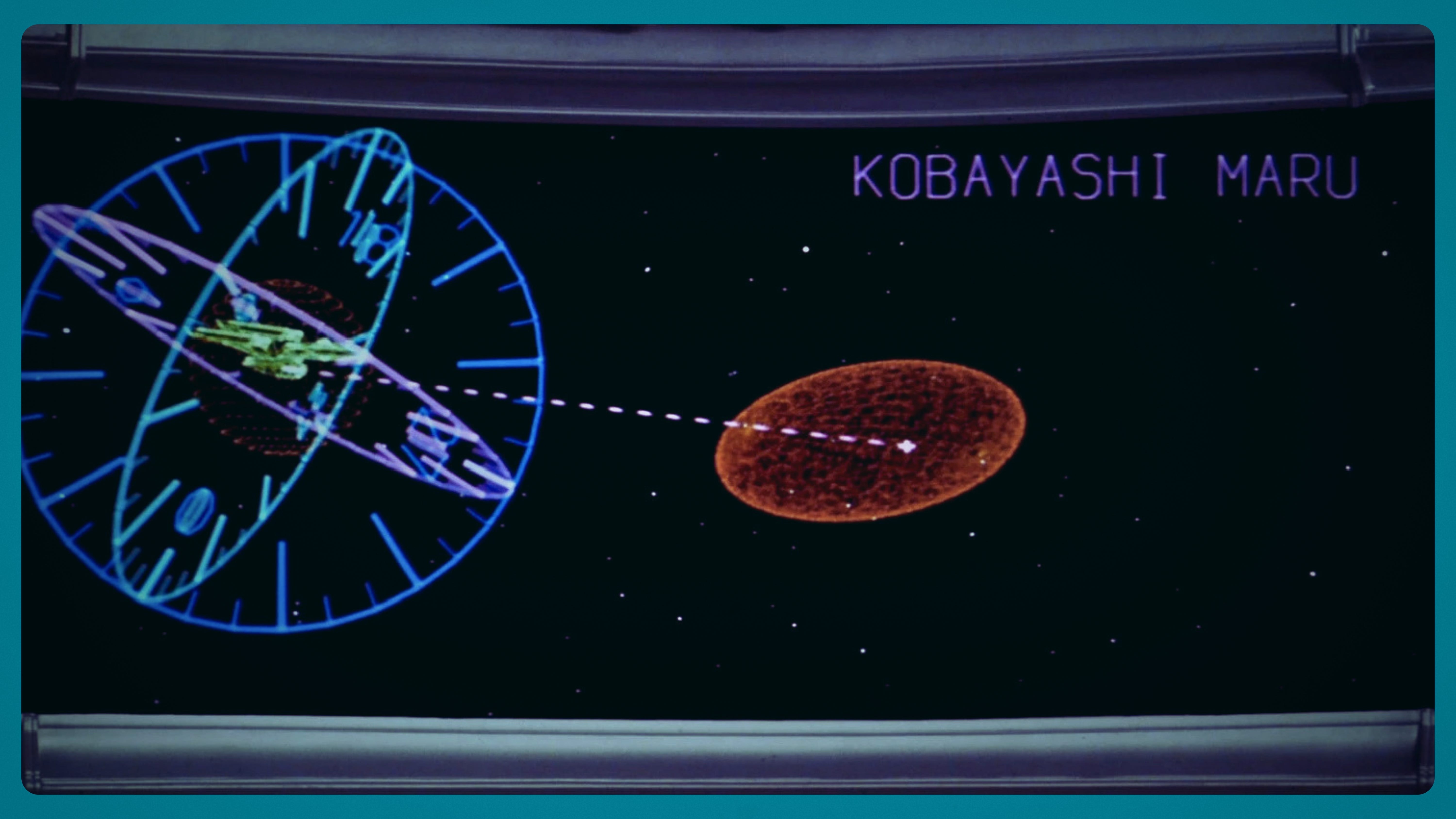
If you’ve seen the film Star Trek II: The Wrath of Khan, then you know that the Kobayashi Maru is a “no win scenario” test all Starfleet cadets must face. It’s meant to be a metaphor for how we face life. But there is a Hollywood screenwriter’s equivalent, and today I’m going to tell you about one I faced – and failed.
I’ll be describing it in detail today, as well as the outcome and consequences of it, and how my career responded. Maybe most importantly, I’ll also be telling you how I should’ve responded to this test – which should prove invaluable to any aspiring screenwriting trying to prepare themselves for a career in Hollywood.
As for my Kobayashi Maru scenario, here’s how it all started more than a decade ago…
After selling several pitches and having a TV show I created produced by NBC and Sky, I score my first spec feature script sale to a major Hollywood studio.
As typically follows a sale like this one, I’m brought into the studio, along with the project’s many producers, to meet with the executives overseeing the project. They tell me the studio loves the script – this as we sit across from each other at a so large table you could assemble a million-piece puzzle on it. One exec even lays their fingers on the script and calls it profoundly beautiful. Like, “What?!” Amazing, right? How do you even respond to that?
It’s my second script for this company, and it’s starting to feel like I’m their newest golden child.
Time to begin the second draft. But as I said, there are a lot of producers on the project. Four sets, to be precise. Two of these sets are led by heavyweights. All of them have thoughts about what is and isn’t working in my script. And all of them expect me to address their very different notes.
So, I come back to the four sets of producers with a list of solutions that I believe honors their very different notes.
Unfortunately, two sets of producers disagree with me on this point.
We discuss what the narrative priorities are, what I must address to start the second draft, and then I’m sent away to find the best way forward.
I return a few weeks later with a new list of solutions, including a new outline, that satisfies the discontented producers. Except this time a previously happy producer — or so we all thought — now insists they’ve never actually felt heard and nothing about the spec ever really worked for them anyway.
Nothing?
Imagine hearing this from the very same producer who asked the studio to buy the script for them.
I come back with another new list of solutions, including another new outline, only to discover three of the four sets of producers now aren’t happy even though all I did was execute what we all agreed upon in the previous meeting.
At this point, I’m not even innovating. I’m just copying and pasting their ideas from notes they’ve provided in dense Word documents, as some asked me to do.
Okay, back to the drawing board…again.
This process continues, increasingly without any hope of resolution.
Ultimately, nearly a year in and months past delivery dates I was contractually obligated to meet, I sell another spec to the same studio — one I wrote while waiting to start the problematic second draft of the first spec! — which I then begin to work on new drafts of for the studio.
I’m never allowed to start the second draft of the first spec. It just dies, along with another little piece of my soul and will to work in Hollywood.
Okay, let’s step back from my screenwriting tale of woe. The Kobayashi Maru test here was, of course, that there was no way I was ever going to start the second draft of my spec. Not with four sets of producers involved, all with different hopes and needs for the project.
It was an unwinnable test for any screenwriter, but one I failed worse than I had to, I think.
Because in moving on to a new project with me, the studio quickly abandoned the old project — which meant more money for me, sure — but an aborted job and, even worse, three sets of producers who blamed me for not getting the job done even though none of them could even agree what kind of film they wanted to make.
Some of these producers still won’t work with me today, they won’t even answer emails, which likely won’t change unless I get nominated for an Oscar or write a movie that grosses half a billion.
If I’m to continue the Kobayashi Maru metaphor for your edification, the real questions become:
How did I face this test?
What did I learn from it
What would I do next time?
This is a subjective experience, of course, and I invite others to share their own Kobayashi Maru horror stories in the comments. But here’s what I know:


