
🎧 LISTEN to this 5AM StoryTalk episode as audio here at Substack.
▶️ WATCH this episode at YouTube.
📖 READ this episode as text by scrolling down.
Today I’m going to do something I’ve never done at Substack. I’m going to break a personal rule to never speak negatively about artwork in a public forum like this one. But I just think there’s too much going wrong over at Disney to not try to make sense of why Star Wars audiences continue to grow disillusioned at best or abandon the brand altogether at worst.
I mean, this is Star Wars we’re talking about. The biggest franchise in the world. How could it come to this?
The reason involves regularly ignoring a golden rule of commercial storytelling — and, as a screenwriter with almost 20 years of professional experience, I’m going to try to break it all down for you as well as how to fix the problem. What I have say will also have implications for anyone trying to write commercial stories in any medium – but especially for the big screen.
I should start by saying, you should know I grew up on and love Star Wars to this day. I’m one of those fans who read countless novels about a Galaxy Far, Far Away long before the Prequels and afterward — at least until the Expanded Universe (Legends as it’s now called) was mothballed to make room for the Disney brand reboot. With very few exceptions, I’ve seen everything every produced for the screen about Star Wars, too, before and after George Lucas sold Lucasfilm.
So, just know: this isn’t some anti-Disney screed. I’m not here to bash Kathleen Kennedy. In most cases, I’m actually defender of almost everything she did that toxic misogynist, racist goons attacked her for.
I instead want to shine a very specific light on why I think so many of Disney’s efforts to produce culture-shifting Star Wars products – or at least box office and TV ratings – have failed and, if nothing changes, will continue to diminish the value of Star Wars.
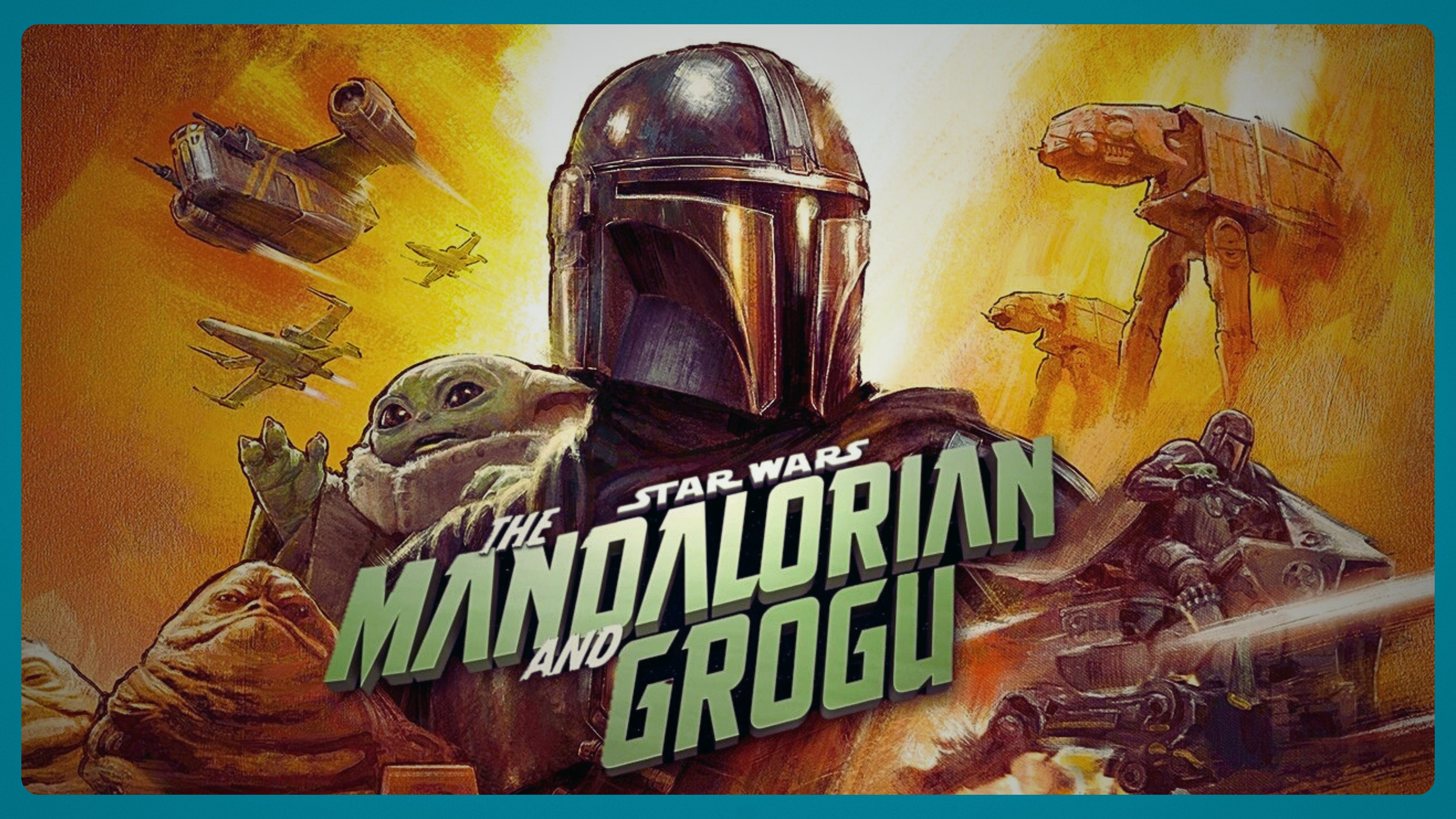
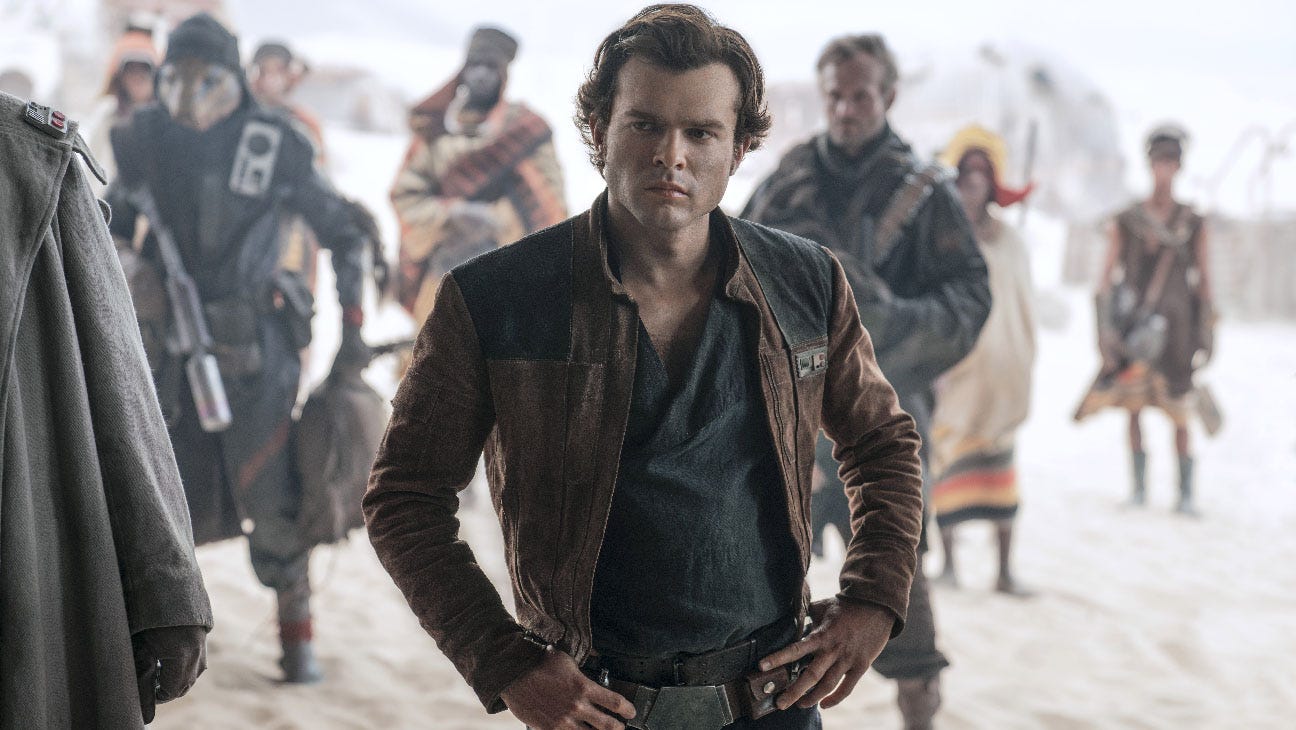
We’re talking about a brand that eight years ago decided to just stop releasing feature films because the audience had so dramatically turned on it. That’s how many years it was between Solo and The Mandalorian and Grogu.
Yet despite the inexplicable wait, that time allegedly dedicated to addressing the problem: both of these films suffer from the exact same problem – a problem a lot of the Star Wars TV series continue to suffer from too.
And that problem is why audiences have been checking out for a while now.
So, what is it – what’s this problem with Star Wars today?
I’m getting to that, don’t worry.
To tell you what it is, though, I first have to identify a golden rule of commercial storytelling that – if you break it – pretty much ensures no audience will ever be emotionally moved by the story you put in front of their eyeballs.
And if your audience isn’t moved, if it’s only showing up for a brand because they liked it in the past, then they’re going to get bored.
They’re going to increasingly find reasons to put off watching a series or buying tickets at a movie theatre.
They think, “Enh, maybe later.”
Then, they forget about that, too.
That’s how you end up with two Star Wars box office bombs in a row and numerous TV series that most people gave a “yeah, alright, sure” shrug over.
Disney is so preoccupied with playing it safe that it’s forgotten characters – its heroes – should change or grow or experience something that remotely feels emotionally new. It’s consistently failing to answer the question: “Why should I, an audience member, care about what’s happening to this character?”
Why does what they’re doing matter to their growth and the bigger story’s growth?
Well, beyond the brand, of course. But that seems to be the number one reason you’re expected to watch now, not because you’re being offered something exciting and unmissable.
There’s almost no chance of missing out on anything in Star Wars these days. And what I mean by that is, if you watched Solo and The Mandalorian and Grogu, you would know that nothing in either of those films changes one thing about the Star Wars universe.
Think about that: a Star Wars movie just came out in which nothing of relevance happened.
I mean, things did. There’s a story. It’s episodic in a way that makes it feel more like a television show than a film and it doesn’t have a clear mission statement – but it’s a story and, I’ll be honest, I had a good time because I love Star Wars.
But as my 11-year-old said when we left the theater – “It was fun – but terrible plot.”
His parents are both screenwriters, so he understands what a plot is.
A plot is something audiences want to follow in commercial storytelling. They need to pay attention so they don’t miss anything. Most importantly, it leads to an ending that somehow leaves characters, a story, a brand – someone, anyone, anything – dramatically changed.
Changed is the key word here.
It’s everything.
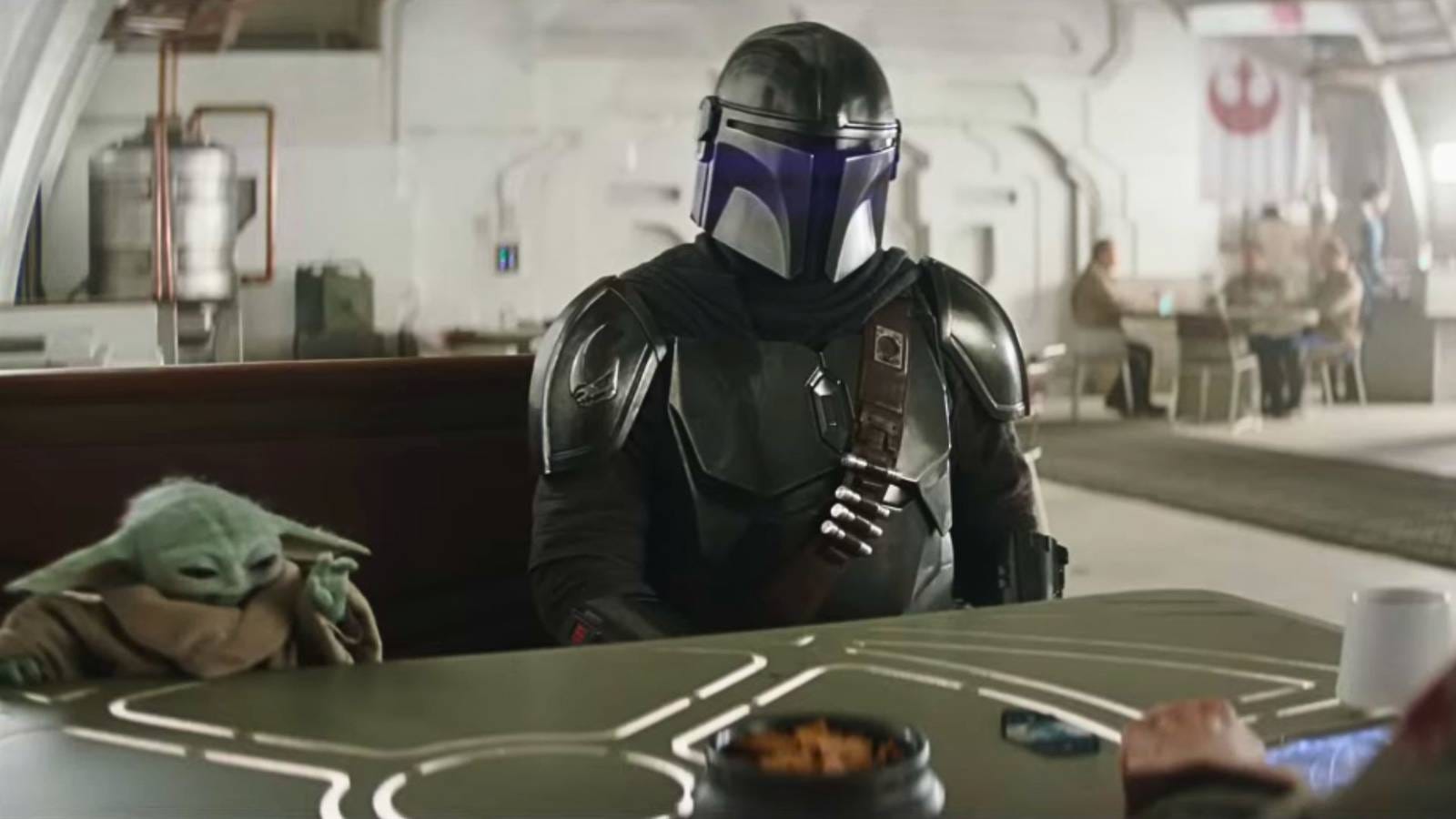
But in the case of The Mandalorian and Grogue, there’s nothing about the characters that’s substantively different than how “The Mandalorian” Season 3 ended.
Which you can also say about the end of Season 3, where the characters are in the same place they were when “The Book of Boba Fett” ended – a sort of “The Mandalorian” Season 2.5.
In “The Book of Boba Fett”, you’ll recall, everything that changed at the end of Season 2 was also undone. Grogu is reunited with the Mandalorian, for example. I mean, so what if Luke freaking Skywalker showed up to save the day and take Grogu away to be trained. That was a complete story. All the characters and their fates had changed…for a blip in time, that is, because a corporation needed cash in on cute Baby Yoda again.
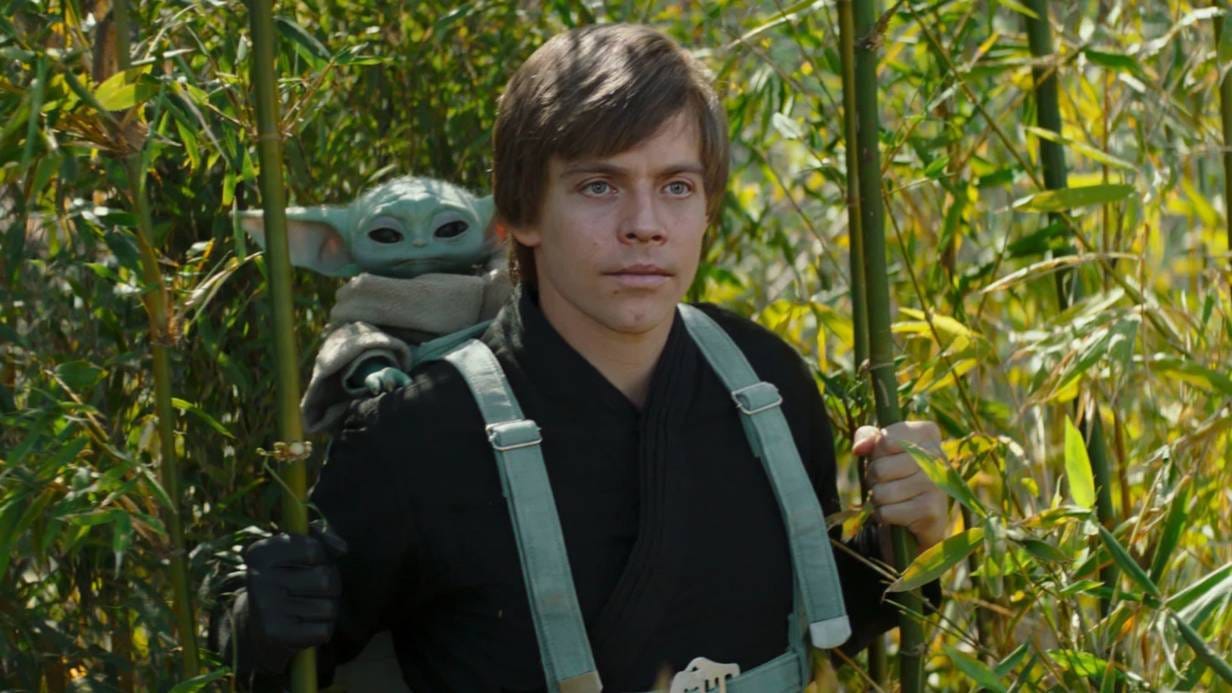
Then there’s “the Mandalorian is a Mandalorian no more,” setting him on a new path. But don’t worry, we’ll fix that.
The Razor Crest is destroyed? Amazing!
But don’t worry, we’ll replace that in the film and pretend like it never happened.
As an audience member, this is like endlessly treading water – and I say that generously. What audiences really feel about all this is manipulated, like nothing they spent their money on mattered, like chumps.
I want you to think about network television next, if you’re old enough to remember what that was like before streamers changed everything.
Once upon a time, everyone – everyone – just watched TV for free. You didn’t mind that sitcom characters or your favorite TV drama’s characters didn’t really change much over the years. Typically, the big change happened – if it did – in the series’ last few episodes.
But with Star Wars today, you have to pay to play even on the small screen. You have to subscribe to Disney+. You still have to buy tickets to the movies –and ticket prices aren’t what they used to be.
It’s expensive to be a Star Wars fan, I mean, and it starts to feel really stupid to keep spending money watching the same story play out over and over and over without anything truly relevant happening.
I can do this with almost every Star Wars series, too.
They’re fine enough. And I don’t mean that as an insult to anyone involved. Some are good. “Andor” is obviously genius – easily one of the best TV series of any kind ever produced.
But in almost every instance, they don’t change the characters or the universe in any game-changing way. As a consequence, they feel inessential to both the brand and our lives.
See, you can’t have a fear of missing out if you sense something just doesn’t matter – and that fear of missing out drives audiences to tune in and buy tickets. They want to be transported to a galaxy Far Far Away to be moved by the drama, to be surprised by the character decisions and their consequences, to walk away unable to describe how cool what they just saw was.
I honestly couldn’t tell you what happened in The Mandalorian and Grogu that matters at all to Star Wars or even to its titular characters. They begin the story, they do some stuff, and it ends pretty much in the same place.
A beloved character from an animated series is even shoehorned in for no reason I can work out since he in no way is allowed to have a story or even character beyond “meaningless sidekick”.
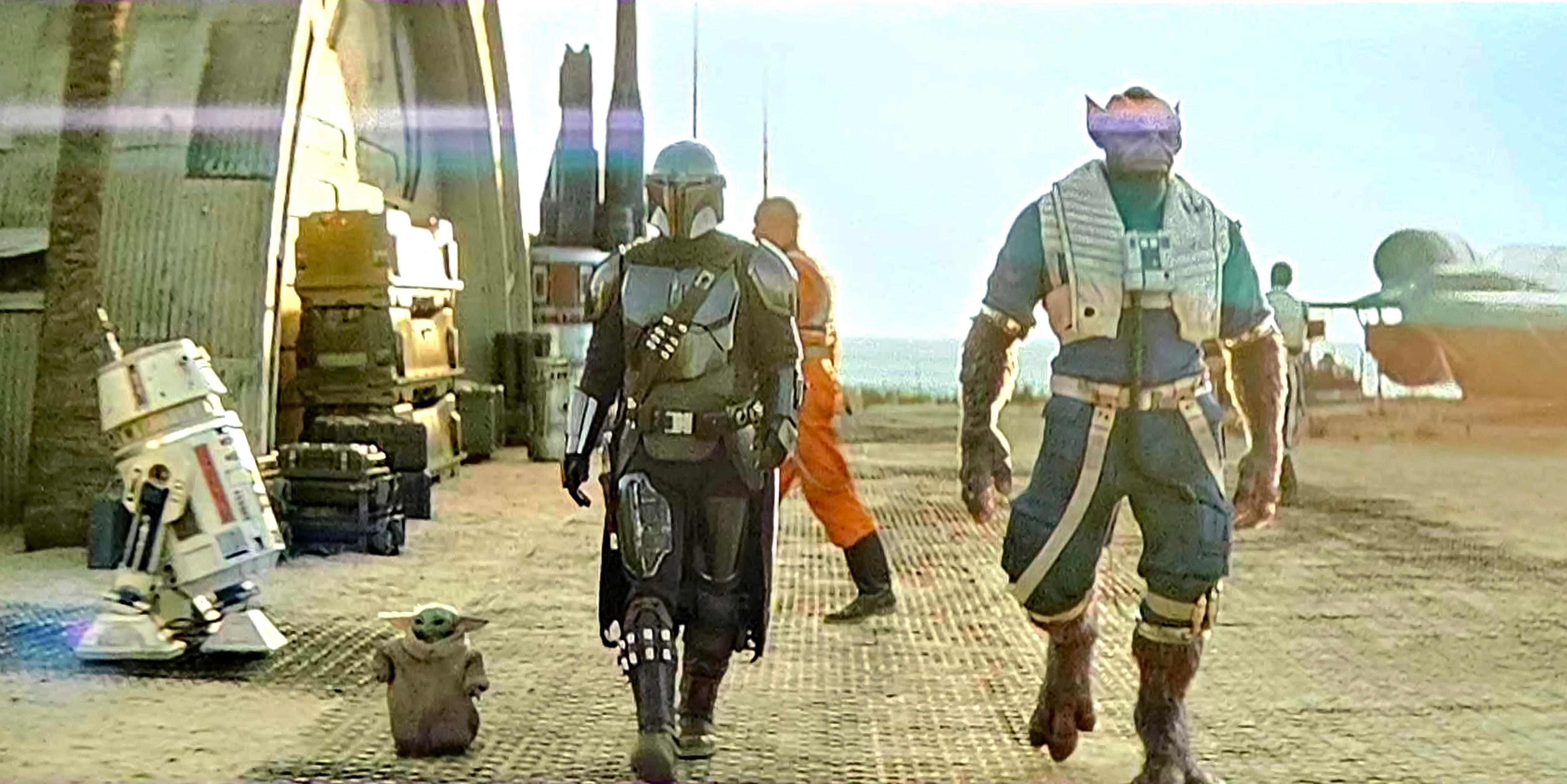
I could’ve saved $40 in tickets and just waited for television, but even then, I don’t know if my life as a Star Wars fan would be any lesser if I missed it altogether.
Not one person I know has even thought to bring up the film to me, which is the most damning thing I can say about it as a piece of Star Wars.
You just can’t ask people to get excited about a brand that is now so narrative milquetoast that it’s getting beaten almost immediately by indie films at the box office. I don’t mean that box office is a metric of an artworks’ value. A lot of great films bomb.
But in this case, it is indicative of an audience base that’s lost faith – that is, I think, bored because they’re not even being asked to care.
In Disney’s defense, it did give us “Andor” – as I said. But that series does feel more like a fluke rather than something it has any interest in repeating as a company increasingly keen to appease a Far Right government. There’s certainly been no suggestion they want to repeat what made it so special.

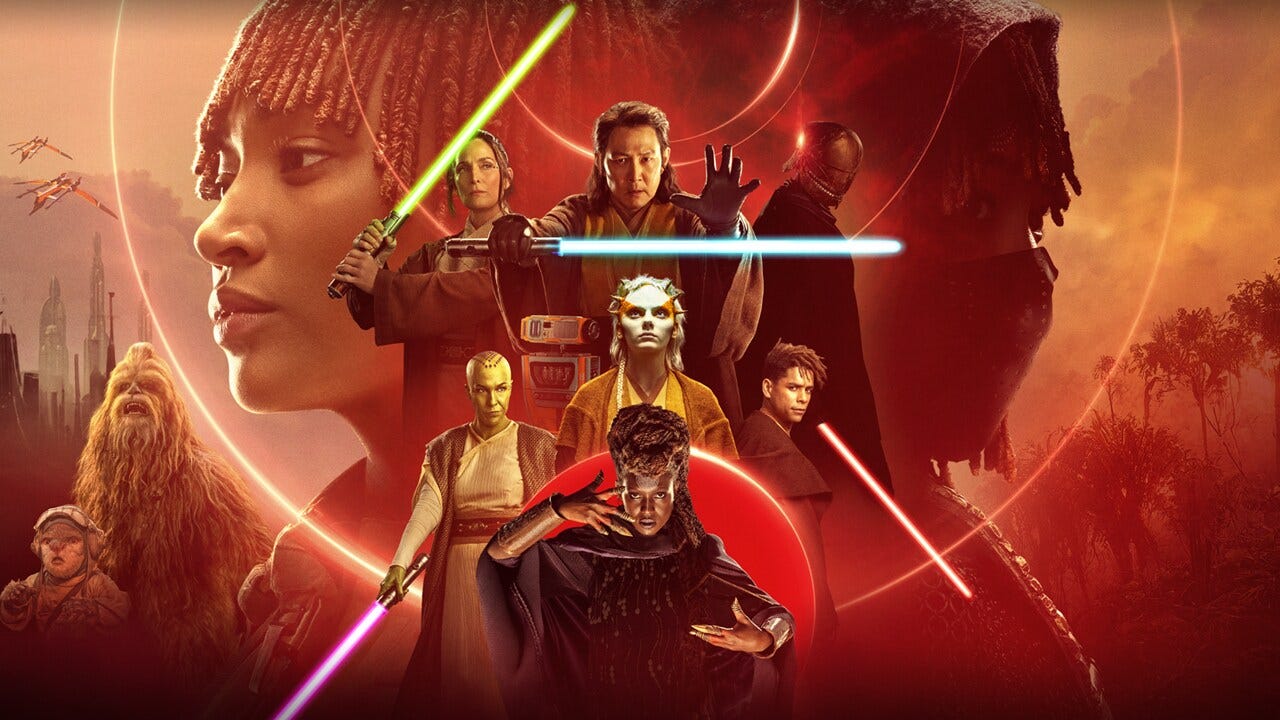
Audiences don’t seem to respond favorably when Disney tries anything “new” either. For example, “Star Wars: Acolyte” offered a bold new vision of Star Wars. New time period, new threats, new political depth. I’m not saying it was a masterpiece or anything like that – not much of Star Wars is, to be fair – but it was fresh, it had something new to say, and it was attacked for that.
Star Wars: The Last Jedi also sought to deconstruct Star Wars and take it in a bold new direction. But it divided fans in a way that the brand still hasn’t come close to recovering from.
Most of my best friends in the business don’t agree with me that it’s actually wonderful, but that tells you where that fan base is today. It wants something new, but it wants it to be exactly like what came before.
So, here’s my solution to this Star Wars problem, because it only seems reasonable to offer one if I’m going to point out a problem based on my area of expertise – and my solution is derived from that golden rule that all commercial storyteller’s must embrace if they want audiences to emotionally engage with their work.
Star Wars needs to stop trying to fix Star Wars by rehashing old characters, or trying to take Star Wars in radical new directions, or placating childish “fans” who want their heroes to remain white and male.
Instead, it needs to focus on simple character journeys that – through the magic of the moving image – transport people into hero journeys in a galaxy Far, Far Away.
A character starts off at Point A and, by the end, reaches Point Z – a changed being in some way or another because of their journey.
Extra points if the character’s journey is emotionally relatable to our life in this reality.
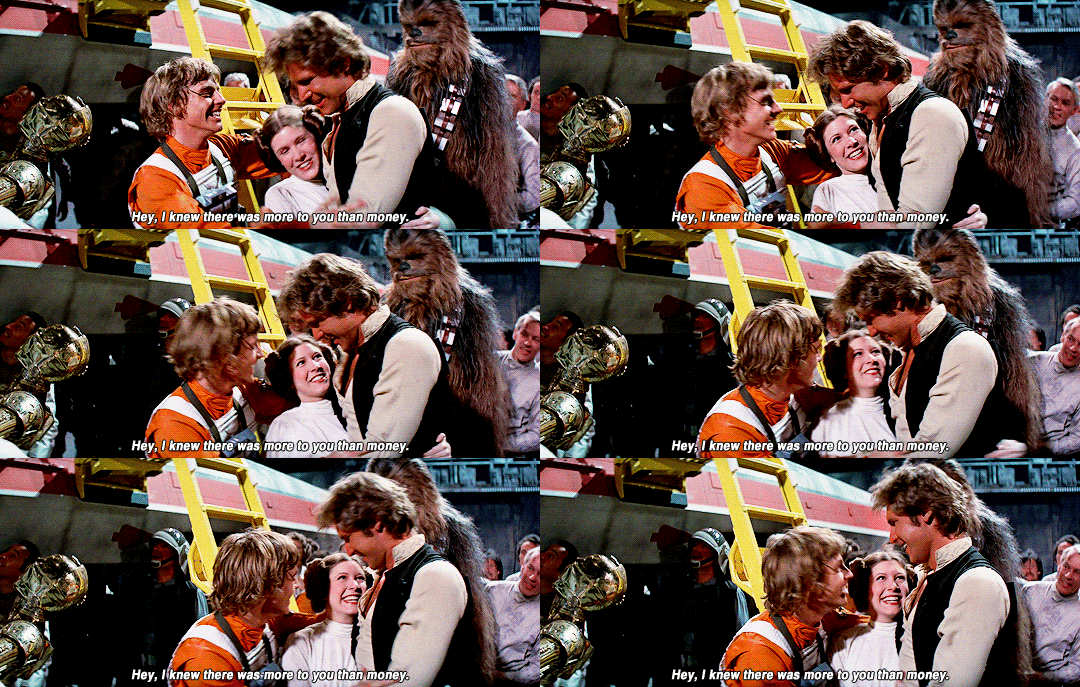
Now, if your character does not experience a dramatic transformation in the course of the story – a transformation that permanently changes their entire future – your story doesn’t have a reason to exist and it will almost certainly bomb with audiences.
This doesn’t mean every character has to change, but most of them – probably, yeah.
That change in your characters also makes audiences ask, “What’s next?” about them. The audiences want a sequel, I mean. They want to find out what happens next. They’ve invested and want to keep investing in your characters and world.
When they don’t feel that way, the alternative feelings are typically one of two things:
“That movie sucked hard.”
Or, “Wow, my loyalty to this brand just got me suckered by a corporation that doesn’t respect me.”
And if you feel the latter, you almost certainly feel the former.
As I said upfront, I don’t like badmouthing anyone else’s art. I mean, my name is on a TV series I created that is so bad I couldn’t even watch it myself. I know how hard it is to make something good when there are so many cooks in the kitchen and this much money is involved.
But The Mandalorian and Grogu isn’t poorly made. I think it’s exactly what it set out to be. It just didn’t care to give you characters that changed from where they were at the beginning of the film – and I think audiences responded in exactly the way I would’ve expected them to.
If you’re at home working on a story right now, ask yourself this incredibly simple question: How do my characters change in a meaningful way in this screenplay, this novel, this comic book?
If you can explain that in one sentence, move on to this next question: Will that transformation matter to your audience?
If you’re not confident the answer is yes, then stop working until you fix that problem.
When I was a kid, I remember very clearly the joy I felt throwing away my toy lightsaber and saying the words, “I am a Jedi, like my father before me.”
Even before I’d studied narrative, I understood the power of those words. Luke Skywalker had been transformed. His journey was complete. He was a hero – even if that meant he was about to die for it.
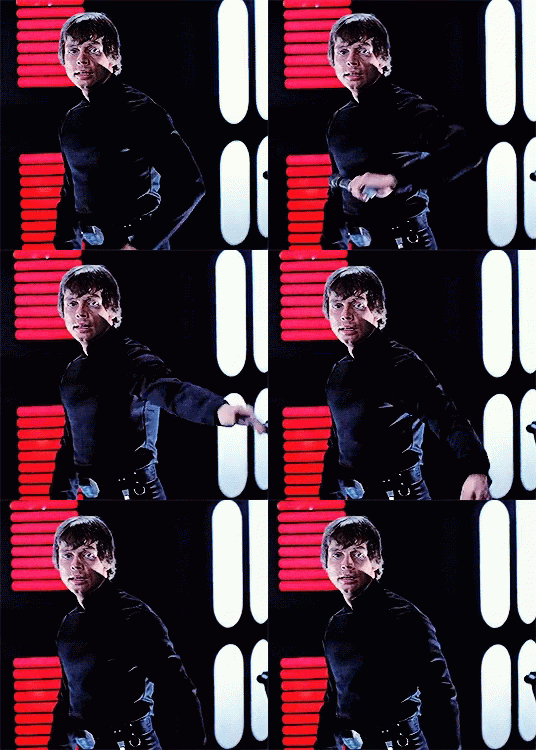
That’s what made him bad ass.
That’s what made us cheer for him.
And that’s what made us beg our parents to take us back to the theater to see Return of the Jedi again and again. Why else have been rewatching that film for the past 43 years?
Would this be the case if Luke had instead said, “I am the same person I was back on Tatooine, like my boring father before me.”
All the lightsaber duels in the world couldn’t make that storyline matter to audiences.
If this podcast episode adds anything to your life but you’re not up for a paid subscription, you can still support my work here by buying me a “coffee”. It’s hugely appreciated - and you might even get a shoutout in the Notes!