


🎧 LISTEN to this 5AM StoryTalk episode as audio here at Substack.
▶️ WATCH this episode at YouTube.
📖 READ this episode by scrolling down past the intro and recommendations.
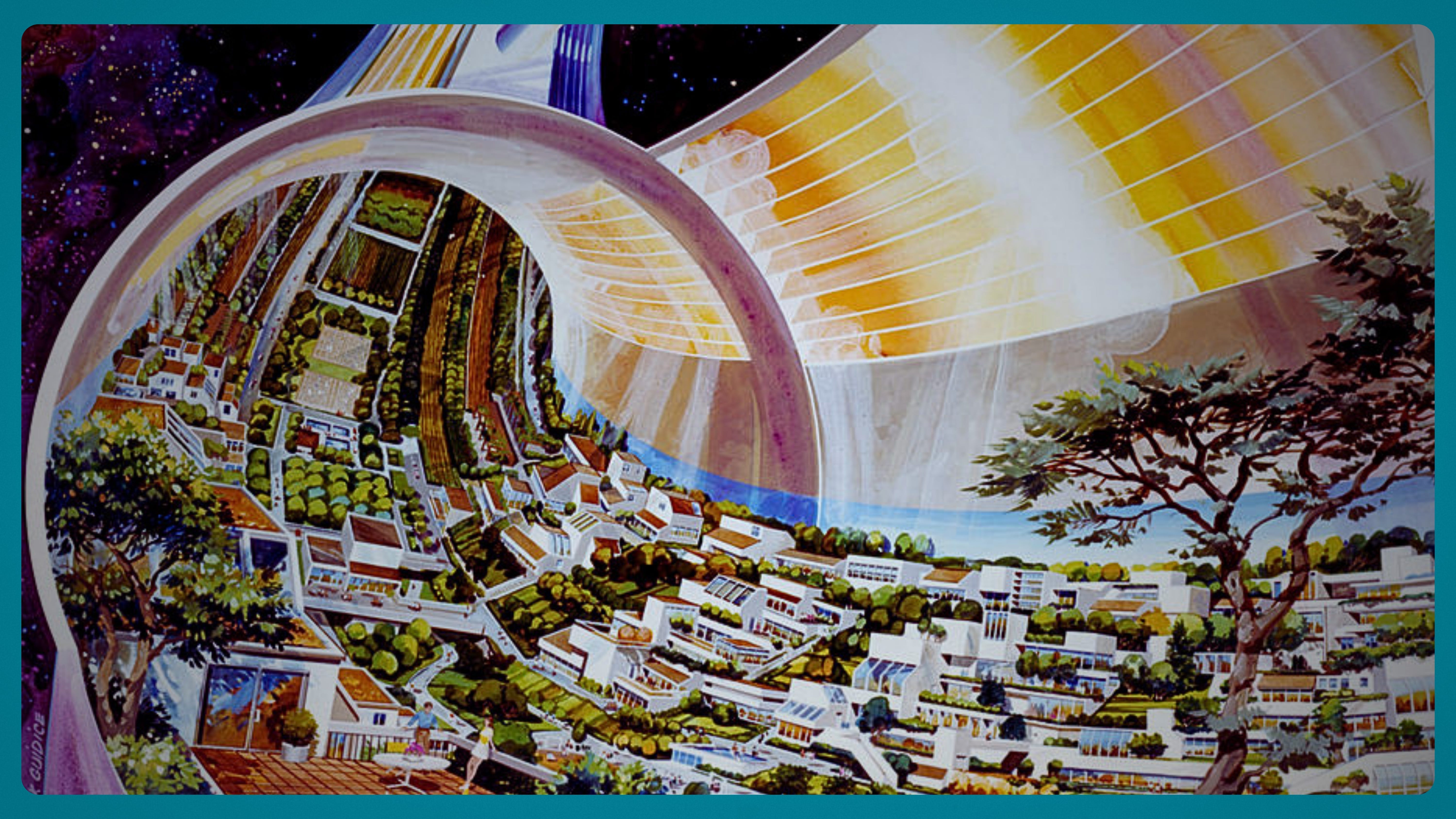
Are you overcomplicating your world-building? Today, I’m breaking down why the most effective story worlds are built on simplicity — and why I opted (counterintuitively) to instead take a “maximalist” approach to my storytelling with my latest TV pilot script commission.
The good news is, I finally heard from my producers what they think about the work I did, which I’m going to be filling you in about, along with an update on my new feature spec screenplay, and what I’ve been watching lately…like “The Pitt”. Is it just me, or is it one of the most meditative shows on TV today? I’ll tell you what I mean by that and more in this latest edition of The Brew — an intimate 5AM StoryTalk series on the struggles and successes of life in the arts.
On the itinerary this week:
THE WORLD-BUILDING SPECTRUM: From Star Wars to the grounded social dynamics of Amity Island in Jaws — what do people not understand about the term ‘world-building’? 🌍
THE PILOT UPDATE: What's going on with my latest script commission? After almost five months, I finally got notes from my producers. 📺
DELICATE MAXIMALISM: Swinging for the fences with an oversized draft to find the project’s perfect shape. 🏗️
THE RARE NOTE: I got a note I’ve never received before. Find out what it was. 👤
THE KILLER 50-PAGE PILOT: Tightening a 63-page script into a “tear-through” read. ✍️
CELLULOID AT RADIO SPRINGS: Citizen Kane and the "fucking brilliant" French epic Camille Claudel on film. 🎞️
WHAT I THINK OF “THE PITT”: The unique conflict of a series that feels like "what television used to be". 🏥
THE MINGUS PRINCIPLE: Making the complicated simple so the audience can internalize the world instead of analyze it. 🎹
If you have any thoughts or questions about what we discuss today, drop them in the comments.
And if you want more episodes like this one — or any of my audio essays and arts & culture interviews — to show up in your life, be sure to subscribe to 5AM StoryTalk!
If this podcast episode adds anything to your life but you’re not up for a paid subscription, you can still support my work here by buying me a “coffee”. It’s hugely appreciated - and you might even get a shoutout in the Notes!
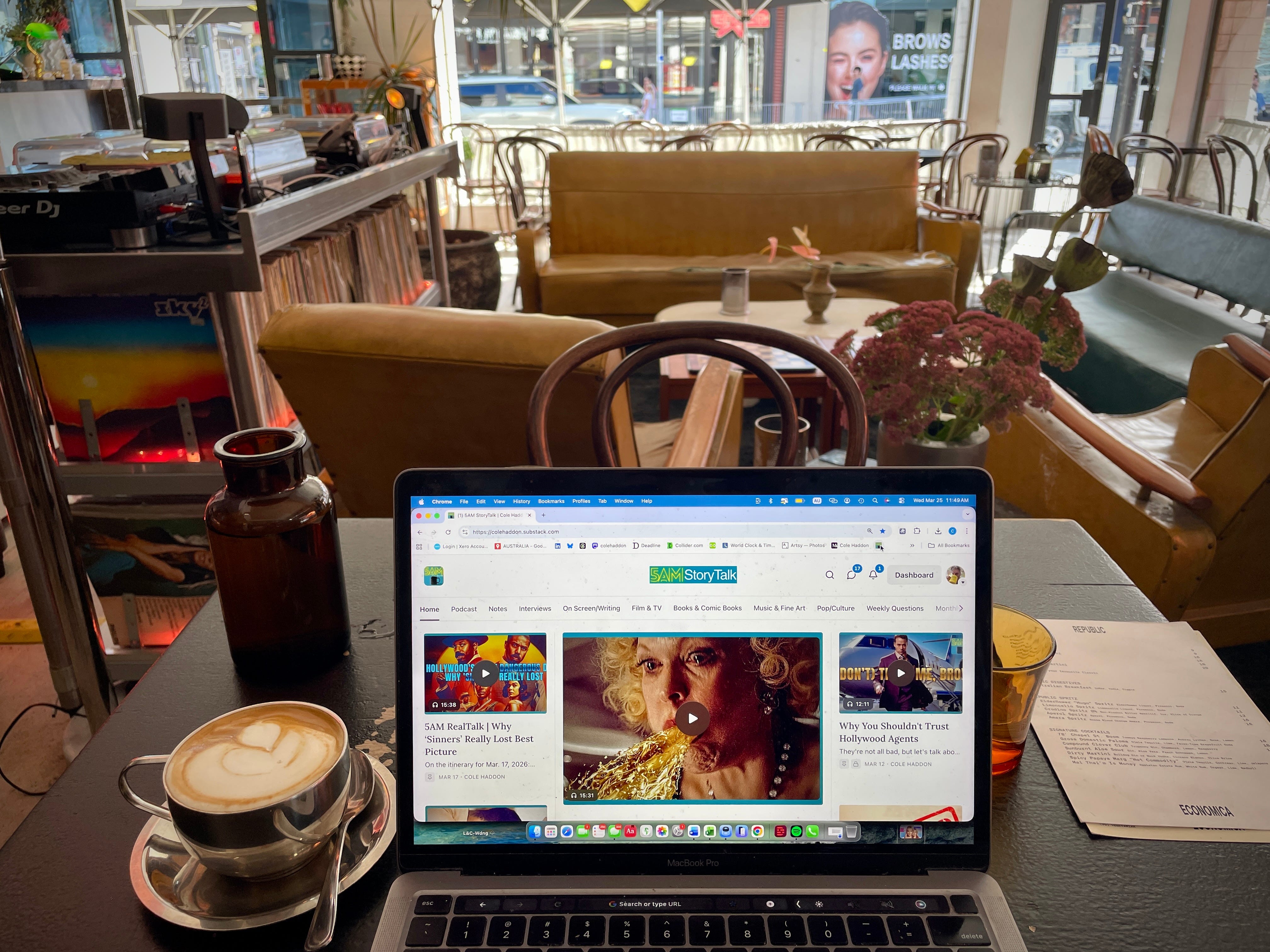
OTHER EPISODES/ARTICLES LIKE THIS ONE YOU MIGHT ENJOY
READ THE BREW MAY 12, 2026
Welcome back to 5AM StoryTalk, my friends. This is an edition of The Brew – a personal blog where, in between bigger episodes, I share thoughts about what I’m struggling with and sometimes even getting right as an artist in the 21st century.
And lately, I’ve gotten a few things right, I think…like the first draft of my latest TV drama pilot script commission.
Back in December, I turned in its first draft and then sat back and waited as the weeks and then months ticked by. The producers were buried in production and post on a couple of other shows, so I was left wondering if anyone liked anything I had written.
The good news is, I now know they apparently did – a lot. Which is a huge relief.
I can’t tell you what the project specifically is, but I can say it’s an international co-production between the UK and Australia and it’s an adaptation of a very popular book series.
It was a tricky one to convert to the screen – and obviously, we’re still working on it, so I haven’t entirely nailed it yet. Specifically, it involved a lot of world building, which, if you read the 5AM StoryTalk newsletter, is at least something of a specialty of mine.
World-building is such an interesting thing because most people seem to think it’s only about bringing unreal, exotic worlds to life – stories with complicated rules alien to how we understand and navigate our own world. You know, like Star Wars or The Matrix or that wizarding book series by She Who Will Not Be Named.
But world building is a lot more than that.
Most historical stories, even those based on true stories, require significant world building to make sure audiences can keep up with the cultural dynamics at play.
I’m going to have to record a longer audio essay on this subject in the future, but I’d love for you to drop into the comments and tell me what you’d like to know more about on this subject.
For now, I’m going to slip several script breakdowns about world-building in the episode notes. This one for The Matrix is the most obvious example:

But I think the one for Jaws will show what I mean about how the rules of world-building pertain to any new environment and social dynamic – like Amity Island.

In the case of my TV pilot, this thing probably involved more than I’ve ever had to juggle.
I adopted a strategy of more, a kind of delicate maximalism, since this was the first draft. The goal was to make sure the world was clearly defined so we could work out what aspects of it weren’t going to matter enough to hold on to.
This is the advantage of multiple drafts in development, allowing (hopefully) smart producers to help you find the project’s perfect shape. In this case, I’m definitely working with smart producers, so that’s something.
What we’ve discovered – together – is that the first third of the pilot is suffering from a bit of imbalance.
Oddly enough, too much character-building and not enough world-building.
That’s a note I’ve never received. It’s always the other way around.
So, I’m going to get to work on that over the next couple of works while tightening the rest of the script now that the producers and I are on the same page about everything.
This is another advantage of my maximalist draft. I swung for the fences, to use an Americanism. I didn’t hold back, I mean. Let’s just find out what we love, what we don’t, and go from there – if you follow.
That means the draft was also a bit longer than I hoped. There’s been a trend over the past decade of producers pushing writers toward over-sized pilots that could never be shot. Later, after a greenlight, you fix that – often hurting the script in the process. You hurt it because the story was never supposed to be that dense, so in cutting it back and back – trying to hold on to too much since everyone involved has an opinion about what should absolutely stay – you end up with scenes that can’t breathe. Too often, they’re elaborate summaries of more interesting scenes.
In this case, what I’ve asked for and, thankfully, been granted – for now – is the opportunity to pull back, to really tighten the script, to take it from 63 pages to 50 to 53.
I’d rather have a killer 50-ish page pilot script – that you just tear through as a reader – than a much-denser, 60+ page one that sells a fantasy version of the series.
Okay, that’s enough of the pilot script update. In other not terrible news – which is basically how I describe any good news these days – I’ve made some huge strides with my feature spec script’s first draft.
This one has been an interesting one, redefining how I work in a lot of ways. When I’m further along, I’ll tell you more about what I mean.
My wife and I have also just signed a construction contract with a company that’s going to come in and knock down our four sheds and build a new super-garage and external office for me – which I’m incredibly excited about.
For one reason, it means these sheds will be gone. We call them the murder sheds because when we bought the house in December, they looked like the setting of Texas Chainsaw Massacre.
It didn’t help that their only contents were a single set of garden shears hanging at the center of the far wall when you opened the big door – like they were there waiting to be used - in some kind of ceremonial place of honor.
The other reason I’m excited is the office will be a place to work away from my kids – and it’ll include a private TV space, sort of a home theater – where my wife and I can watch films on a big screen without arguing with the aforementioned kids.
I mean, ours just think they own our living room TV. It makes it really hard to enjoy films or TV series without constant interruptions. I’m sure a lot of you can related.
Switching gears here, I haven’t told you what I’ve been watching lately. The reality is, I haven’t been able to check out anything new over the past couple of weeks – but I did get to see two brilliant classic films at the secret cinema at Radio Springs Hotel in Lyonsville here in Victoria, Australia.
Remember, these are on celluloid, reels restored by Ken who runs the series. If you live in the region, find Radio Springs on Facebook and check out a show.
As for those two classic films, they were Citizen Kane – which was the fifteenth time I’ve seen it, according to my log. I love this film so much. I just gasped at shots all the way through it.


The other was a French film – Camille Claudel. It’s from 1989, co-written and directed by Bruno Nuytten and stars Isabelle Adjani and Gerard Depardiue…and it’s fucking brilliant.
I know Claudel’s tragic story well – early 20th century sculptor who suffered from mental health issues exacerbated by a relationship with Auguste Rodin — but this depiction is…something else. Heartbreaking. If you like epics, then you need to hunt this film down immediately. I cannot recommend it enough. I left the theater stunned, just shaking my head – kind of blown away a movie this brilliant exists and it’s not commonly referenced.
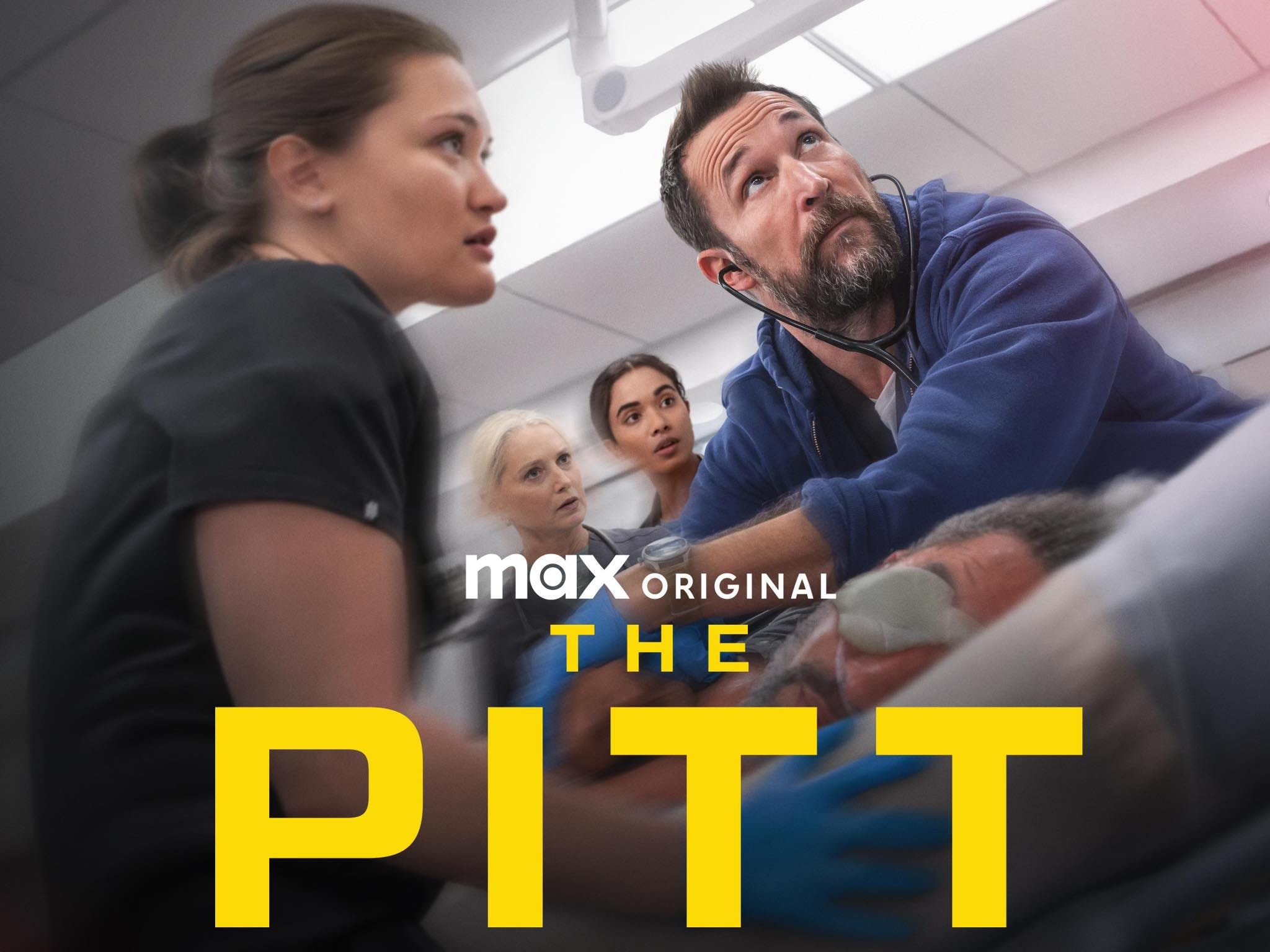
I’ve also been slow-watching my way through “The Pitt” for the first time. My wife and I are only halfway through Season 1, but guys…it’s so good. You obviously know that because you’re probably watching it too, or rather, already have because you’re smarter than I am.
I’m going to want to talk about this series more at a later point, but I’m just amazed by the writing, the performances, the depiction of autism, Noah Wyle in general, and…its gentle conflict?
Again, I’ll talk about that in more depth later, but its drama is so far so…mild? While he world it depicts, that’s not.
I don’t know. I find the characters, the grace and terror and courage with which they face their jobs in the ER is…soothing?
Is it just me, or is “The Pitt” incredibly meditative?
It’s probably just me, but I think it’s true. I find myself so relaxed spending time with this cast of characters. And I look forward to getting back to them as soon as an episode ends.
This is what television used to be like. Great drama, weekly check-ins, the comfort you experience spending quality time with friends you like – and some you don’t.
Tell me what you make of the series in the comments!
Okay, we’re almost done for today. But I want to leave you with an artist’s quote, as I like to do.
Today’s comes from the great American jazz musician Charles Mingus. He said:
“Anyone can make the simple complicated. Creativity is making the complicated simple.”
It’s a quote that has many variants out there in the multiverse, shared by many other brilliant artists. But I’ve been listening to Mingus and I’ve been thinking about this sentiment a lot lately, so I thought I’d kick it your way.
To bring it back to world-building, to a fundamental aspect of so much storytelling – something I’ve been wrestling with a lot on this TV pilot and feature spec I’m writing – you cannot hope audiences will emotionally attach themselves to a complicated explanation of a complicated subject or even idea. Simplicity, often so graceful you don’t even see it happening, is a necessity in great world-building.
Audiences are just better at internalizing than they are in analyzing new worlds and narrative experiences.
That’s it for now, StoryTalkers. Don’t forget to take advantage of all the links in the episode notes I’ve put there for you. Subscribe if you haven’t already, so 5AM StoryTalk keeps showing up at your life. And leave a 5-star review at Apple or Spotify if you think it’s warranted. It really helps new listeners find their way to this podcast and its newsletter at Substack.
See you soon!


